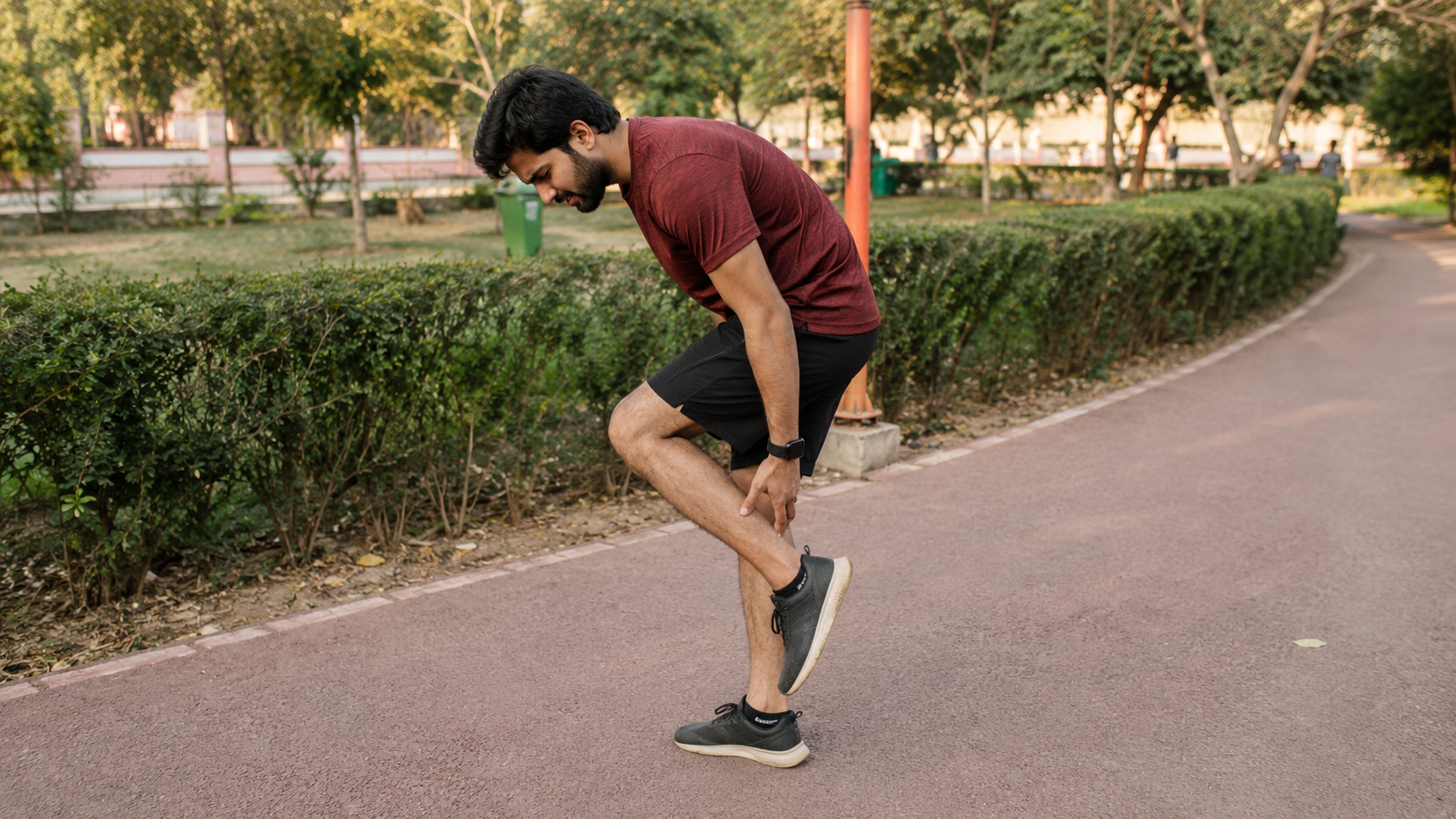
The calf is made up of muscles (chiefly the gastrocnemius and soleus) that join into the Achilles tendon at the heel, powering every step, climb and push-off. Most calf pain is musculoskeletal — a strain, cramp or overuse — and improves with simple care.
But the calf is one area where it is genuinely important to know the warning signs, because two of the possible causes are serious: a blood clot in the deep veins (deep vein thrombosis, DVT), which can be dangerous if part of it travels to the lungs, and a torn calf muscle or ruptured Achilles tendon, which needs specific treatment. This page is written to help you both manage ordinary calf pain and recognise when it needs urgent attention.
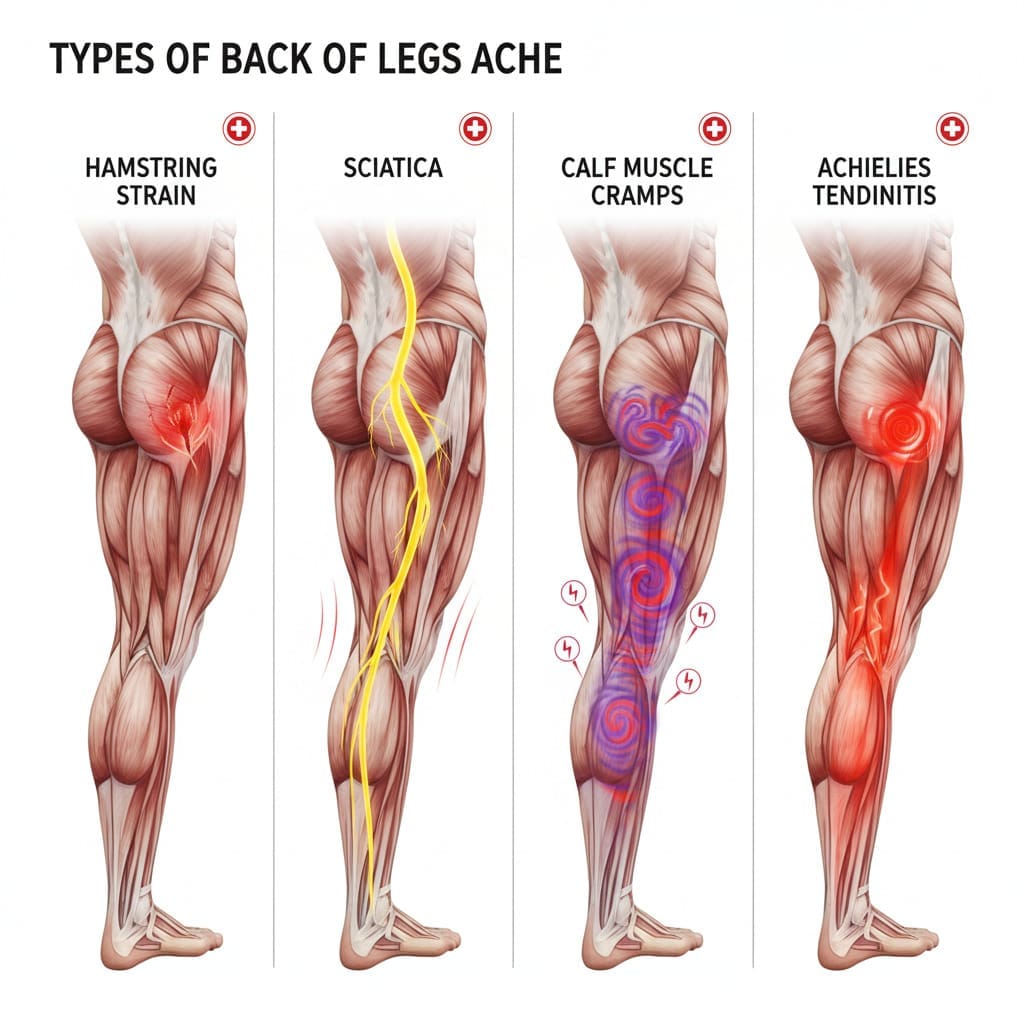
The features depend on the cause:
The pattern, and especially the presence of swelling and warmth, guides how urgently it needs to be seen.
Common and important causes of calf pain include:
Because the list ranges from trivial to serious, recognising the red flags is the priority.
Seek urgent/emergency care if you have:
See a doctor routinely if calf pain is persistent, keeps recurring, or comes on predictably with walking and eases with rest (which may indicate circulation problems).
At VinayakM, calf pain is assessed with the red flags firmly in mind:
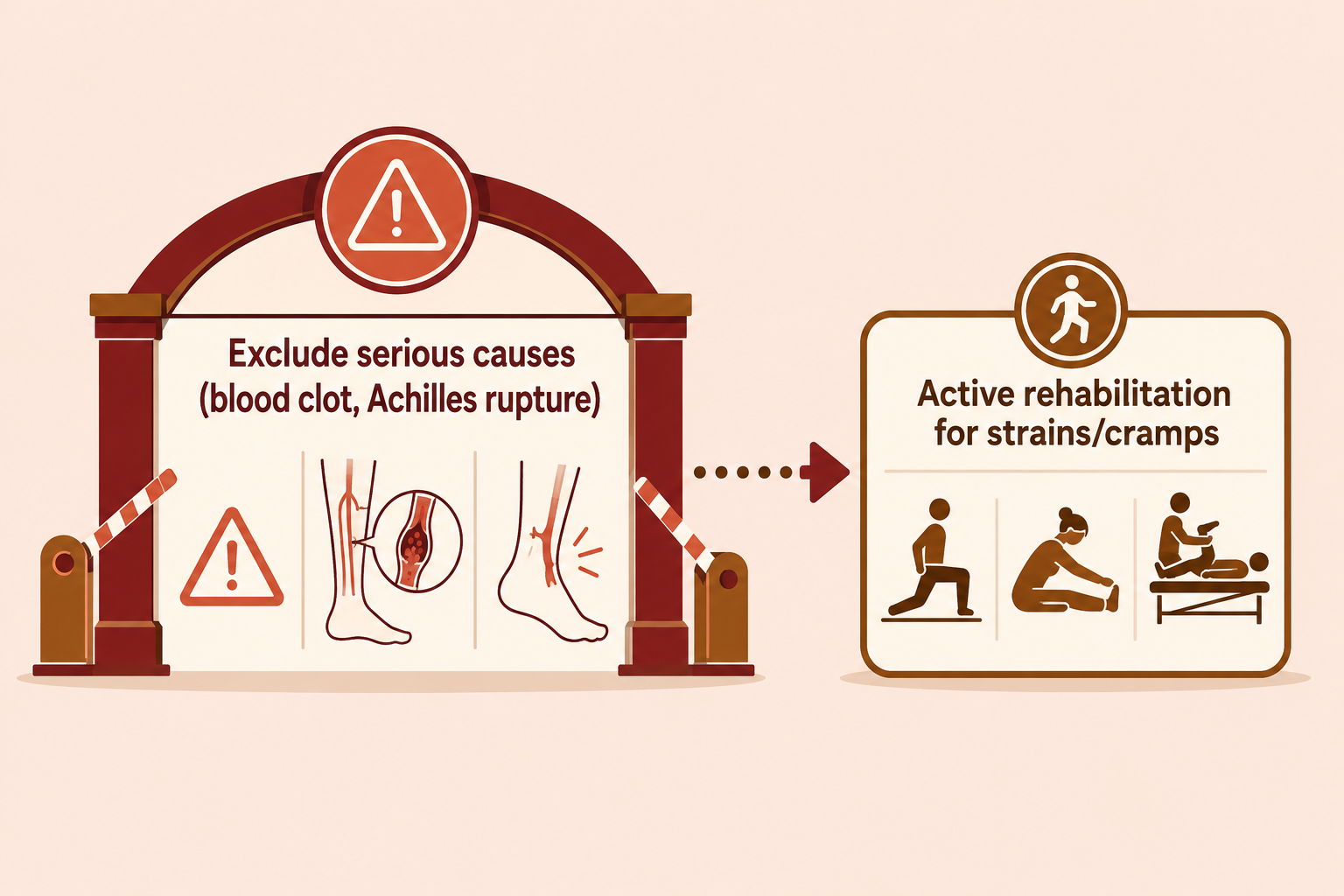
The first job is always to decide whether this is a straightforward muscle problem or one of the serious causes needing urgent, specific care.
For ordinary muscle strains, cramps and overuse (the majority):
For the serious causes (managed differently and often urgently):
The crucial principle is that not all calf pain is a muscle problem — sensible self-care is right for strains and cramps, but the red-flag causes must be excluded first.
At VinayakM in Greater Kailash-1, calf pain is assessed by Dr Udit Vinayak (trauma, sports medicine and joint replacement surgeon), with safety first:
You will leave knowing whether your calf pain is a simple muscle issue to rehabilitate or something that needs urgent, specific treatment.
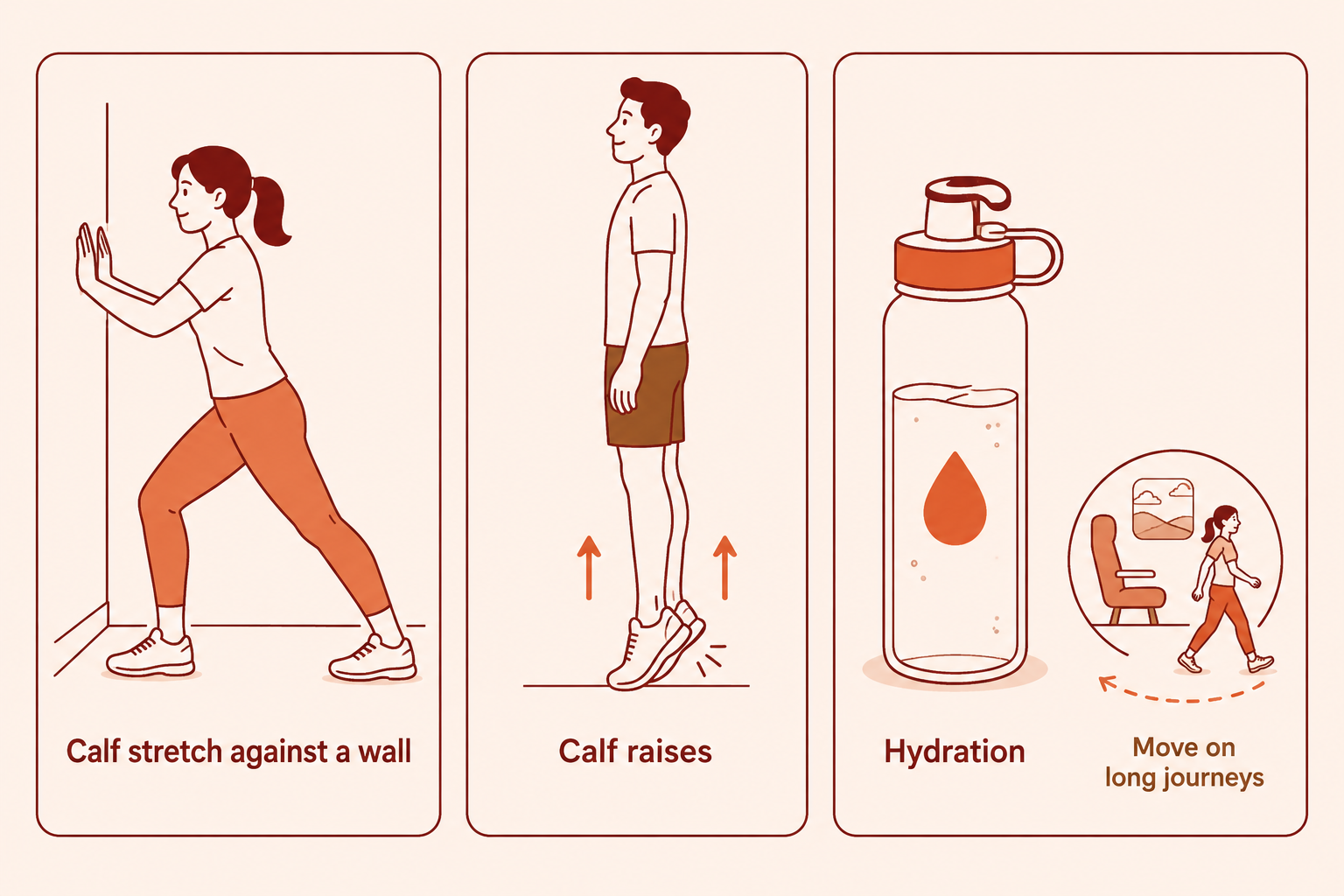
To reduce ordinary calf pain and injuries:
Be concerned about a clot (DVT) if the calf is swollen, warm, red or tender — especially in just one leg and without an obvious muscle injury — and particularly after recent surgery, illness, long travel or in pregnancy. This needs urgent assessment. If you also have sudden breathlessness, chest pain or cough up blood, call emergency services, as a clot may have travelled to the lungs.
A calf muscle tear usually causes sudden sharp pain during activity, sometimes with a sensation of being struck or a 'pop', followed by difficulty walking and pushing off, and often swelling or bruising. A similar sudden pain low in the calf near the heel can be an Achilles tendon rupture. Both should be assessed promptly for the right treatment.
Night calf cramps are common and usually benign — sudden, intense tightening that eases with stretching. They can be linked to dehydration, overexertion, prolonged standing, and occasionally certain medicines or mineral imbalances. Stretching during the cramp, staying hydrated and gentle calf stretching before bed often help; frequent troublesome cramps are worth discussing with a doctor.
For a simple muscle strain, gentle early movement followed by a graded return with stretching and strengthening is appropriate — but returning to full sport too soon risks re-injury. Do not, however, exercise through calf pain that could be a blood clot (swollen, warm, one-sided) or a sudden severe tear; these need assessment first.
Calf pain that comes on predictably after walking a set distance and eases with rest can be a sign of reduced blood flow to the leg (claudication from peripheral arterial disease), particularly in older adults with vascular risk factors such as smoking, diabetes or high cholesterol. This deserves a medical assessment, as it is managed differently from a muscle problem.

.svg)
.svg)