How to Maintain a Healthy Spine

Quick answer
A healthy spine is a moving, well-supported one: regular activity, a strong core and back, frequent movement breaks from sitting, sensible lifting, a healthy weight and not smoking all protect it. Perfect posture matters less than variety and staying active — the best position for your spine is usually your next one. This guide from VinayakM in Greater Kailash-1 sets out practical habits to keep your back well and reduce recurring pain.
Last reviewed:
July 5, 2026
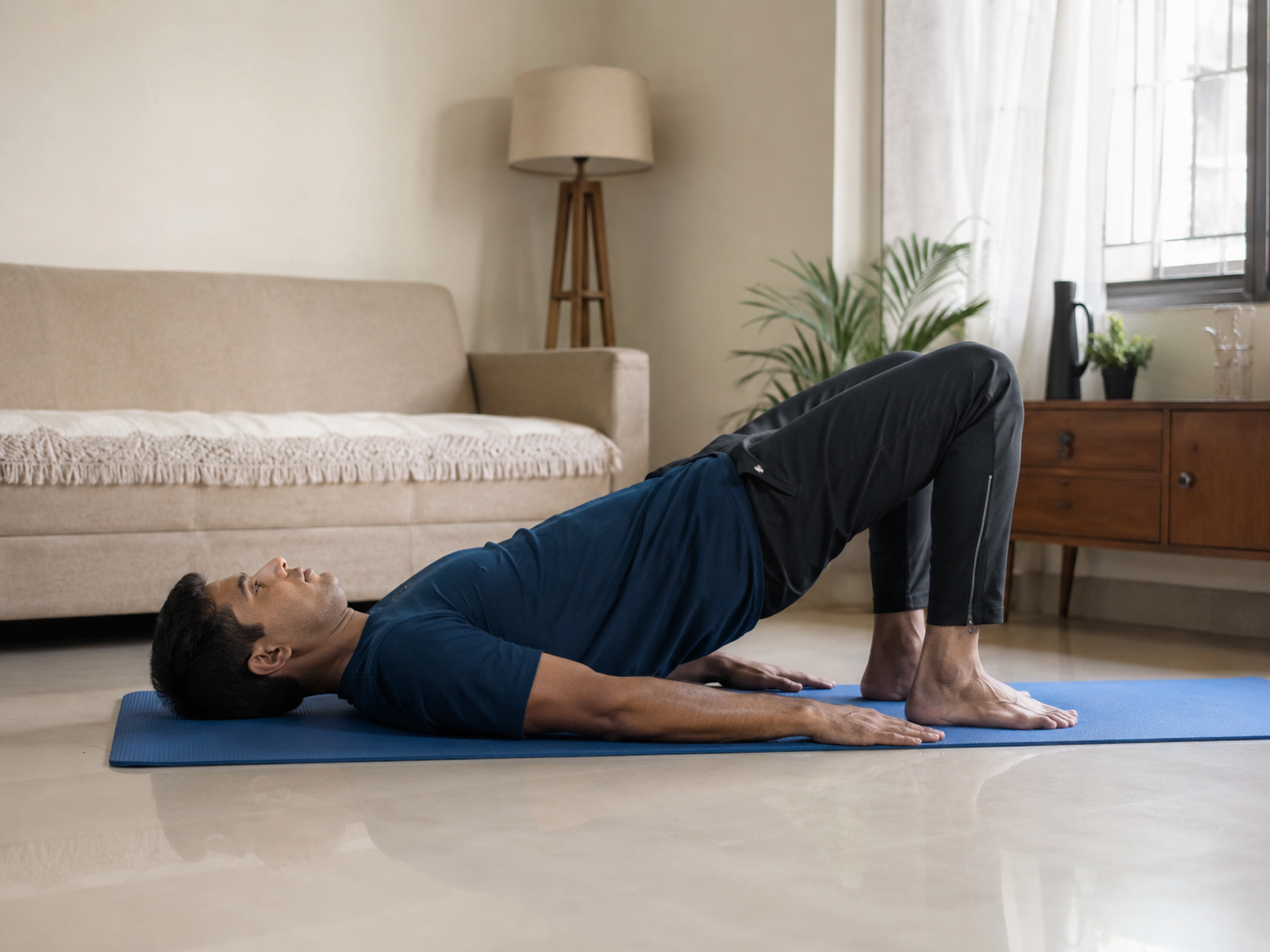
A person doing a gentle back-strengthening exercise on a mat at home.

Overview

The spine is a strong, flexible column built for movement — bending, twisting and bearing load all day. Much popular advice treats it as fragile, but the modern, evidence-based view is the opposite: the spine is robust, and it stays healthiest when it is used regularly and kept strong, not protected into stiffness.

Looking after your spine is less about achieving one 'correct' posture and more about movement, strength and variety. This matters especially with today's long hours of sitting at screens. This guide is for keeping a healthy back well and reducing recurrent pain; if you currently have significant or worrying back pain, see back pain first for causes and red flags.
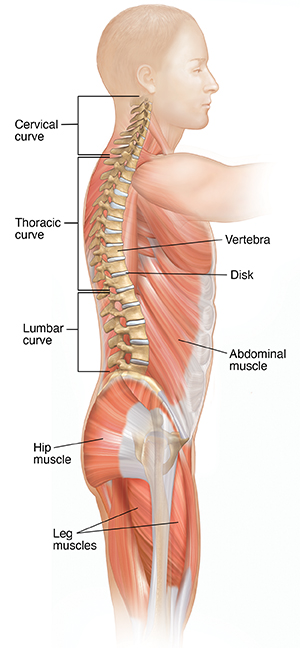
Diagram of the spine showing its natural curves, vertebrae, discs and the core muscles that support it.

Symptoms & signs

This is a preventive guide, but a few early cues are worth acting on before they become established problems:

  • Stiffness or aching after long periods of sitting that eases when you move.
  • A back that feels weak or easily 'tweaked' by ordinary lifting or bending.
  • Recurrent mild episodes of back pain that keep coming back.
  • Discomfort linked clearly to posture at a desk or on a phone.

None is an emergency, but each is a signal to strengthen, move more and review your daily setup. Warning signs such as leg weakness, numbness around the back passage, or pain with fever need prompt medical care — see back pain.

Causes & risk factors

What tends to undermine spine health:

  • Prolonged sitting and inactivity — the spine dislikes staying in one position for hours; muscles deconditioned by sitting support it less well.
  • Weak core and back muscles — these are the spine's natural support; when weak, ordinary loads are less well tolerated.
  • Sudden or awkward loading — lifting heavy objects with a twist, or doing far more than you are conditioned for.
  • Excess body weight — adds sustained load, particularly to the lower back.
  • Smoking — linked to more back pain and poorer disc health.
  • Poor sleep and high stress — both increase how much back discomfort is felt.
  • Age-related changes — natural wear of discs and joints, which good habits help you tolerate well.

Most of these are modifiable, which is why day-to-day habits make a real difference.

When to see a doctor

For general spine care you do not need a doctor. But seek assessment if you have recurrent or persistent back pain that limits your life, and seek urgent care for red flags: loss of bladder or bowel control, numbness around the back passage or inner thighs, progressive leg weakness, back pain with fever, pain after significant injury, or new severe back pain in an older person with osteoporosis risk. These are covered in detail on the back pain page.

How it's diagnosed

No diagnosis is needed to look after a healthy spine. If you are starting an exercise programme with a history of back trouble, a brief assessment at VinayakM — a history, a check of movement and core/back strength, and a review of your work setup and activities — can make it safer and more effective. Imaging is not part of routine spine-health care, because scans of healthy and even mildly aching backs often show harmless age-related changes.

Treatment options

The 'treatment' for spine health is a set of daily habits, each well supported:

1. Keep moving — variety over stillness.

  • Change position often; the best posture is your next one. Break up long sitting every 30-45 minutes with a stand or short walk.

2. Build a strong, enduring core and back.

  • Exercises such as bird-dog, dead bugs, bridges, planks (as able) and back extensions build the muscles that support the spine. Aim for a couple of sessions a week, progressing gradually.

3. Stay generally active.

  • Walking, swimming and cycling all keep the back healthy; regular aerobic activity is linked to less back pain.

4. Lift and carry sensibly.

  • Bend the knees and hips, keep the load close, avoid twisting under load, and get help or split heavy loads — but don't become fearful of lifting; a strong back is meant to lift.

5. Set up your day.

  • A reasonable desk and screen setup, a supportive chair, and a phone habit that avoids long neck flexion. 'Reasonable and varied' beats rigidly 'perfect'.

6. Support the basics.

  • Healthy weight, not smoking, decent sleep and managing stress all measurably help the back.

These habits both prevent problems and reduce recurrences after an episode of back pain.

How VinayakM helps

At VinayakM in Greater Kailash-1, spine care is guided by Dr Udit Vinayak (trauma, sports medicine and joint replacement surgeon) with a firmly active, reassurance-first philosophy — the spine is treated as strong and trainable, not fragile. We offer:

  • A spine 'MOT' for people with recurrent niggles — assessment of movement, core and back strength and daily setup, with a tailored exercise plan (with a physiotherapist where useful).
  • Practical ergonomic and lifting advice suited to your work and routine.
  • Weight and general-health support, including our dietician where weight is a factor.
  • Clear guidance on staying active and confident, which is itself protective against recurrent back pain.

Where pain is significant, we assess it properly (see back pain) before building the prevention plan.
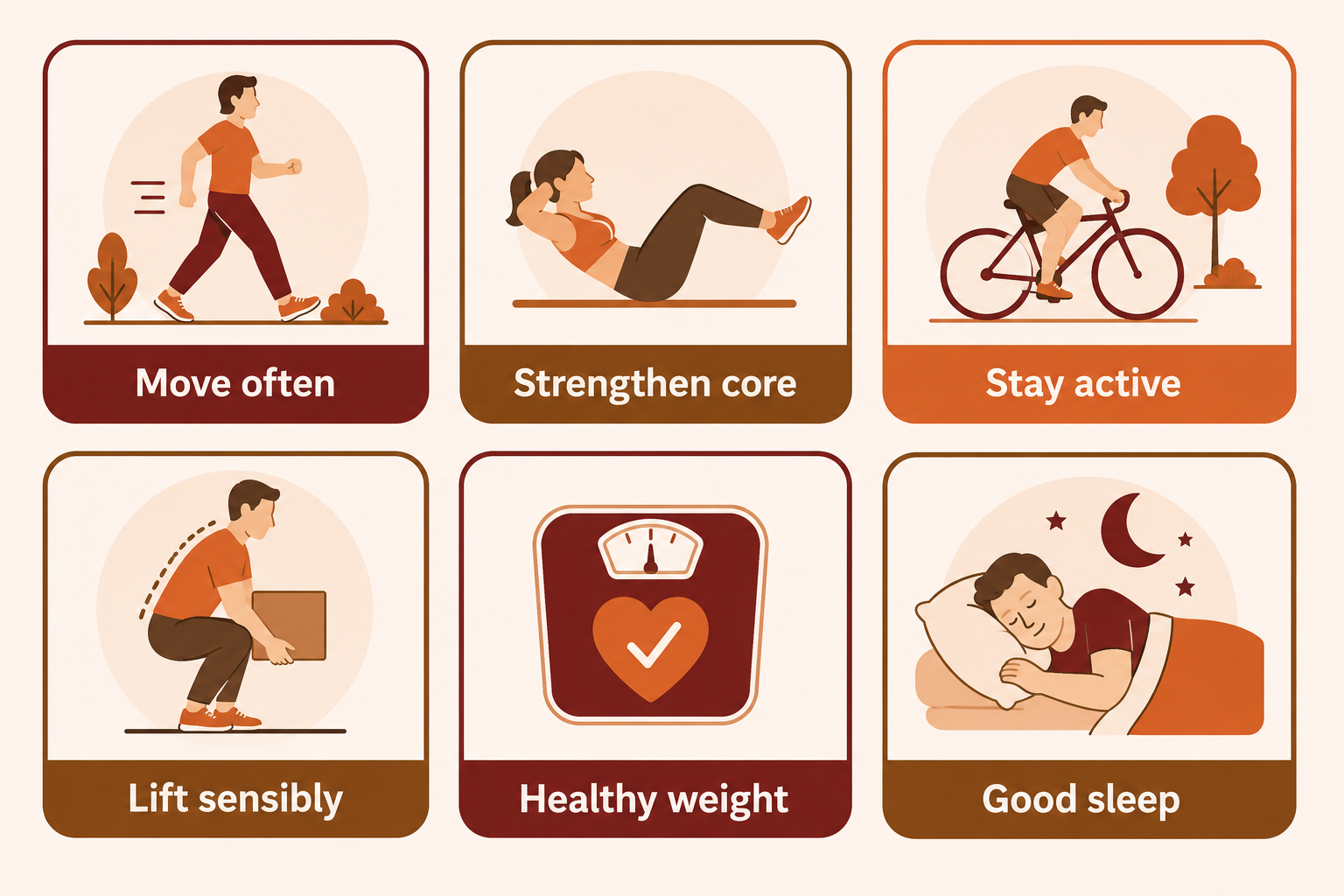
The pillars of spine health: move often, strengthen the core, stay active, lift sensibly, healthy weight and good sleep.

Prevention & self-care

The short version of protecting your spine:
  • Move often; don't sit still for hours — variety is the spine's friend.
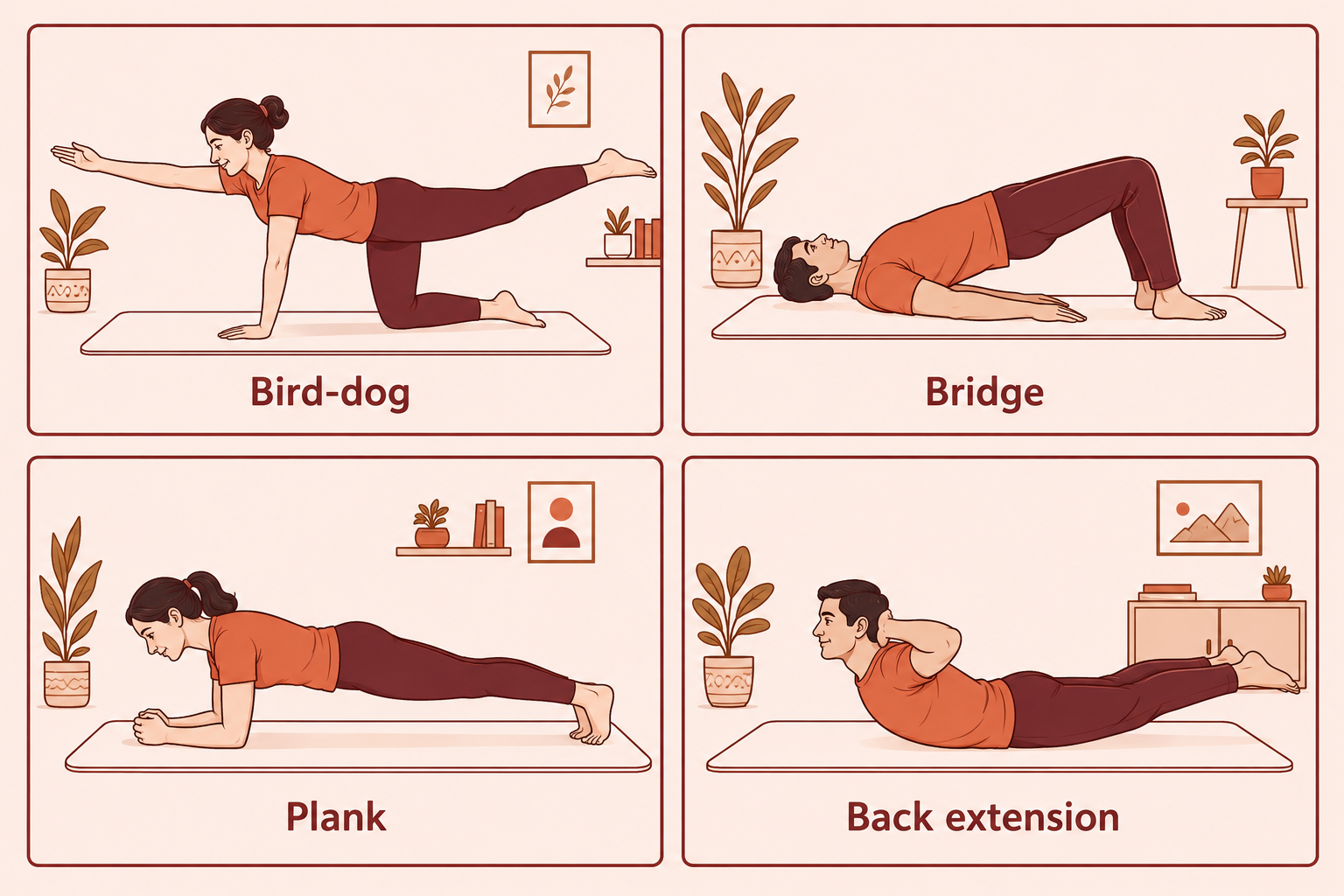
  • Strengthen your core and back twice a week — bird-dog, bridges, planks, back extensions.
  • Stay generally active — walking, swimming, cycling.
  • Lift with your legs, keep loads close, avoid twisting — but stay confident; a strong back is built to lift.
  • Keep a healthy weight and don't smoke.
  • Set up your desk and phone habits reasonably, and take screen breaks.
  • Sleep well and manage stress — both influence back pain more than people expect.
Illustration of core and back exercises: bird-dog, bridge, plank and back extension.

Frequently asked questions

What is the best posture for my back?

There is no single 'perfect' posture. The healthiest approach is variety and movement — changing position often and not staying in one posture for hours. A reasonable desk and screen setup helps, but the evidence shows that moving regularly matters more than holding a rigidly 'correct' position. The best posture is often your next one.

What exercises keep the spine healthy?

A combination of core and back strengthening (such as bird-dog, dead bugs, bridges, planks and back extensions) plus regular general activity like walking, swimming or cycling. Aim for a couple of strengthening sessions a week, building up gradually. A physiotherapist can tailor exercises if you have a history of back trouble.

Is sitting really bad for my back?

It is prolonged, unbroken sitting that is unhelpful, rather than sitting itself. Staying in one position for hours stiffens the back and deconditions supporting muscles. Breaking up sitting every 30 to 45 minutes with a stand or short walk, and staying generally active, offsets most of the effect.

Should I avoid bending and lifting to protect my back?

No — avoiding them tends to weaken the back and increase fear, which worsens pain. Lift sensibly: bend the knees and hips, keep the load close and avoid twisting under heavy load. But a healthy, strong back is built to bend and lift, and staying confident and active is protective.

Does a firm mattress prevent back pain?

There is no single best mattress for everyone. A medium-firm, supportive mattress that you find comfortable is a reasonable choice; comfort and good sleep matter more than firmness for its own sake. Sleep quality genuinely affects back pain, so a mattress that lets you sleep well is doing its job.


Related reading

References

  1. National Health Service (NHS). Back pain — prevention and exercises. — https://www.nhs.uk/conditions/back-pain/
  2. National Institute for Health and Care Excellence (NICE). Low back pain and sciatica in over 16s. NICE guideline NG59. — https://www.nice.org.uk/guidance/ng59
  3. World Health Organization. Physical activity fact sheet. — https://www.who.int/news-room/fact-sheets/detail/physical-activity
This page is for general information and education only. It is not a substitute for a consultation, diagnosis or treatment from a qualified clinician. If you have any of the red-flag symptoms above, seek medical care promptly.
{"@context":"https://schema.org","@graph":[{"@type":["MedicalClinic","LocalBusiness"],"@id":"https://www.vinayakm.in/#clinic","name":"VinayakM","url":"https://www.vinayakm.in","logo":"https://cdn.prod.website-files.com/6908cd2bb6a88638d8c0e611/6a494a210e7a3f8e0c33192a_vinayakm-name-logo.png","telephone":"+91 92171 75397","email":"info@vinayakm.in","address":{"@type":"PostalAddress","streetAddress":"3rd floor, B-23, Block B, N Block Market","addressLocality":"Greater Kailash-1, New Delhi","addressRegion":"Delhi","postalCode":"110048","addressCountry":"IN"},"geo":{"@type":"GeoCoordinates","latitude":28.556354,"longitude":77.2323718},"openingHours":["Mo-Tu 09:00-20:00","Th-Su 09:00-20:00"],"founder":{"@type":"Person","name":"Mani Sharma"},"sameAs":["https://maps.app.goo.gl/jPVPXKfH8qAUUDeo8"]},{"@type":"MedicalWebPage","@id":"https://www.vinayakm.in/orthopaedics/spine-health#webpage","url":"https://www.vinayakm.in/orthopaedics/spine-health","name":"How to Maintain a Healthy Spine | VinayakM","description":"Protect your spine with regular movement, a strong core, good posture habits, safe lifting and a healthy weight. Practical, evidence-based back-care guidance from GK-1.","inLanguage":"en-IN","about":{"@type":"MedicalCondition","name":"Spine health","alternateName":["Healthy spine","Back care","Spinal health"]},"author":{"@type":"Physician","name":"Dr Udit Vinayak","jobTitle":"Trauma, Sports Medicine & Joint Replacement Surgeon","url":"https://www.vinayakm.in/team/dr-udit-vinayak","medicalSpecialty":"Orthopedic"},"reviewedBy":{"@type":"Physician","name":"Dr Udit Vinayak","jobTitle":"Trauma, Sports Medicine & Joint Replacement Surgeon","url":"https://www.vinayakm.in/team/dr-udit-vinayak","medicalSpecialty":"Orthopedic"},"lastReviewed":"2026-07-05","dateModified":"2026-07-05","publisher":{"@id":"https://www.vinayakm.in/#clinic"},"medicalAudience":{"@type":"MedicalAudience","audienceType":"Patient"}},{"@type":"FAQPage","@id":"https://www.vinayakm.in/orthopaedics/spine-health#faq","mainEntity":[{"@type":"Question","name":"What is the best posture for my back?","acceptedAnswer":{"@type":"Answer","text":"There is no single 'perfect' posture. The healthiest approach is variety and movement — changing position often and not staying in one posture for hours. A reasonable desk and screen setup helps, but the evidence shows that moving regularly matters more than holding a rigidly 'correct' position. The best posture is often your next one."}},{"@type":"Question","name":"What exercises keep the spine healthy?","acceptedAnswer":{"@type":"Answer","text":"A combination of core and back strengthening (such as bird-dog, dead bugs, bridges, planks and back extensions) plus regular general activity like walking, swimming or cycling. Aim for a couple of strengthening sessions a week, building up gradually. A physiotherapist can tailor exercises if you have a history of back trouble."}},{"@type":"Question","name":"Is sitting really bad for my back?","acceptedAnswer":{"@type":"Answer","text":"It is prolonged, unbroken sitting that is unhelpful, rather than sitting itself. Staying in one position for hours stiffens the back and deconditions supporting muscles. Breaking up sitting every 30 to 45 minutes with a stand or short walk, and staying generally active, offsets most of the effect."}},{"@type":"Question","name":"Should I avoid bending and lifting to protect my back?","acceptedAnswer":{"@type":"Answer","text":"No — avoiding them tends to weaken the back and increase fear, which worsens pain. Lift sensibly: bend the knees and hips, keep the load close and avoid twisting under heavy load. But a healthy, strong back is built to bend and lift, and staying confident and active is protective."}},{"@type":"Question","name":"Does a firm mattress prevent back pain?","acceptedAnswer":{"@type":"Answer","text":"There is no single best mattress for everyone. A medium-firm, supportive mattress that you find comfortable is a reasonable choice; comfort and good sleep matter more than firmness for its own sake. Sleep quality genuinely affects back pain, so a mattress that lets you sleep well is doing its job."}}]},{"@type":"BreadcrumbList","@id":"https://www.vinayakm.in/orthopaedics/spine-health#breadcrumbs","itemListElement":[{"@type":"ListItem","position":1,"name":"Home","item":"https://www.vinayakm.in"},{"@type":"ListItem","position":2,"name":"Orthopaedics","item":"https://www.vinayakm.in/orthopaedics"},{"@type":"ListItem","position":3,"name":"How to Maintain a Healthy Spine","item":"https://www.vinayakm.in/orthopaedics/spine-health"}]}]}
WhatsApp